

Expert insights into future trends of the financial service’s industry
Whether you’re using an electronic payment app to buy takeout for dinner, accessing full-service banking from a laptop at home, or trading cryptocurrencies, you’re probably aware the digital revolution in financial services is quickly moving forward.
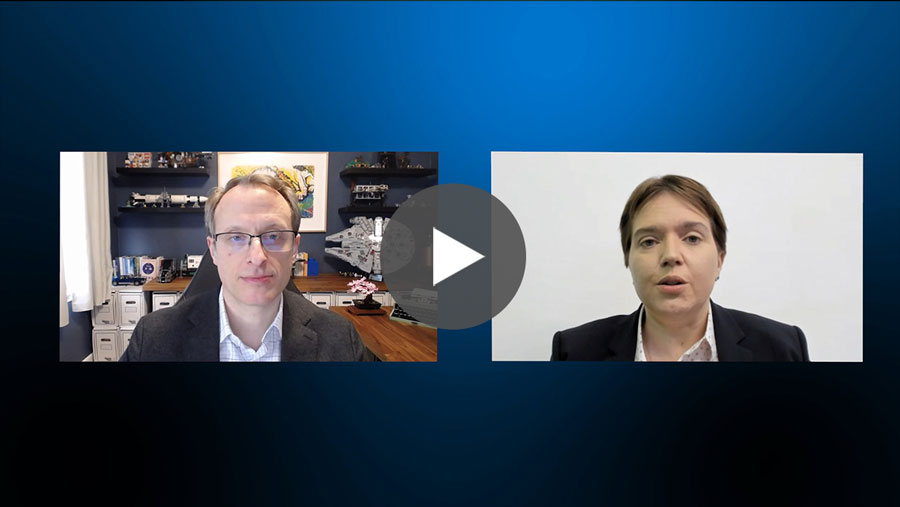
At Microsoft, we’re eager to see how the industry will continue to evolve. To gather a variety of opinions on the near future of digitally driven financial services, often referred to as fintech, Microsoft sat down with some of the industry’s most knowledgeable leaders for our new video series, “Top Trends in Financial Services 2022 with Microsoft.”
Hearing from industry leaders
The fintech market is expanding by nearly 27 percent a year, from $2.8 trillion in 2016 to an estimated $31.5 trillion by 2026, according to Research and Markets. Additionally, the number of U.S. consumers using fintech services grew to 88 percent in 2021. Just as the past year saw considerable growth and change related to financial services, this year promises to bring new opportunities—as well as challenges.
For our video discussions on what those opportunities and challenges may be, we included:
- Theodora Lau, founder of Unconventional Ventures and co-author of “Beyond Good,” and Sandeep Mangaraj, Industry Executive, Digital Transformation, Banking, of Microsoft
- Sally Eaves, Emergent Technology CTO, award-winning international author, keynote speaker, and thought leader on digital transformation, and Matthew Sekol, Industry Solutions Executive of Microsoft
- Brett King, a media personality and founder of Moven, and Roman Chwyl, Managing Director, Fintech Unicorns of Microsoft
Trends driving change among fintech firms
Their discussions touch on emerging trends and topics in the industry that are becoming more prominent in the wake of the worldwide pandemic. For example, many of us have switched to performing more routine tasks online, including banking and investment activities. Some of the other trends and developments the experts we interviewed see ahead include:
- Accessibility to services: The past two years have seen many employees deciding to leave their jobs and become their own bosses, either as entrepreneurs, small business owners, or gig workers. Those growing groups in the economy need to be included in fintech solutions and services going forward. Lau notes, for example, that it can be difficult to get approved for a bank account when starting up a new company.
- Focus on sustainability and transparency: Business sustainability and environmental, social, and corporate governance (ESG) have moved from ideals to an expected responsibility among companies, and that will ripple through financial services. Eaves says sustainability and ESG are becoming as important a driver for business competitiveness as customer service and product offerings. As fintech products and services evolve, new regulations on compliance and disclosures also are likely to help consumers.
- Collaboration and the cloud: As digital revenue fuels growth and increased market share within the industry, King says digitalization for some financial services companies may only happen through consolidation and partnerships. Lau adds that well-established financial institutions and fintech must realize their interdependence to provide better products and services to attract customers. As they do this, on-premises solutions will not be enough, making cloud solutions important as banks and fintech companies cooperate to gain market share.
How Microsoft can help fintech grow
With those predictions in mind, Microsoft is ready to provide financial services organizations with an array of products and solutions that carry out efficient transactions and personalized customer experiences with security. Through our technology and services such as Microsoft Cloud for Financial Services, we want to help advance the capabilities of fintech and its accessibility to organizations of any size.
As our experts discuss in this video series, we’re only at the beginning of this digital transformation within the financial services industry. We’re likely to see more integration of AI in fintech solutions, more automated services, and new ways for technology to help people interact with their money and investments. I’m excited to see what comes next.