
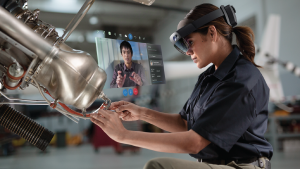
Workforce transformation in the intelligent manufacturing era
Read highlights on how the manufacturing workforce is transforming to adopt new technologies, and skill their workforce.

Microsoft is powering manufacturing’s 2026 inflection point—turning AI from pilots into orchestrated, end‑to‑end intelligence.

Read highlights on how the manufacturing workforce is transforming to adopt new technologies, and skill their workforce.
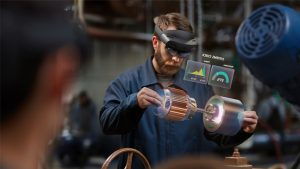
In previous posts in this series, we’ve discussed how IoT is changing the manufacturing industry, ways to use IoT data more effectively, and how to think beyond the factory floor when rolling out IoT technology.

Take a look at some typical manufacturing business functions and the role IoT is playing in helping them drive the bottom line.

The automotive industry is rapidly transforming. With today’s breakthrough digital technologies, the pace of innovation has accelerated to Autobahn speeds, with seemingly no limits to where the industry can go.
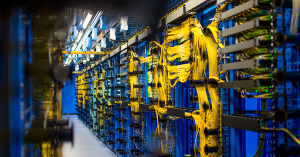
By 2020, to increase speed, agility, efficiency, and innovation, 80 percent of manufacturers will need to extensively restructure, placing data at the center of their processes.
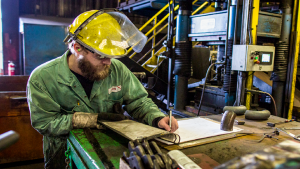
Most organizations have worked hard to squeeze maximum returns from their existing equipment—which is why the Fourth Industrial Revolution (often referred to as Industry 4.0) holds such promise.

The leadership and innovations on display at this year’s Hannover Messe left the 220,000 attendees with an optimistic view of a successful future.
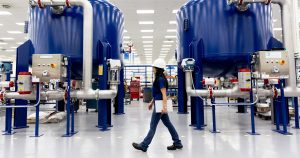
Every year, global leaders of the manufacturing industry come to Hannover Messe to educate, intrigue, and inspire attendees with fresh ideas and creative solutions.
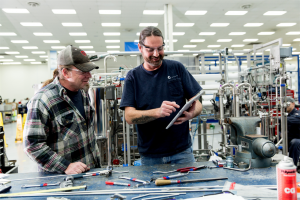
Modern manufacturing requires intelligent operations and connected supply chains to deliver more agile production, greater transparency, and smarter products and services.
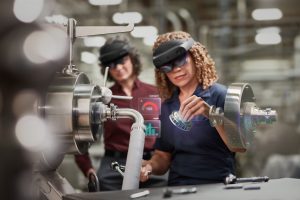
At Hannover Messe, Microsoft will showcase how customers and partners are innovating by using Microsoft solutions to reimagine intelligent manufacturing, deliver new services, empower their workforce, and optimize digital operations.
Whether companies are developing entirely new product lines or innovating on last year’s designs, the product innovation process today generally moves from ideation through a stage-gated process of experimentation, market testing, surveys, and validation.
Undoubtedly, AI is one of the most important advances in manufacturing. It is not the next big breakthrough—it is here today.