Europe is home to hundreds of languages, rich cultural traditions, and some of the world’s most important knowledge institutions. As AI technologies evolve, there is a growing opportunity to ensure the continent’s linguistic and cultural diversity are not only preserved, but actively contribute to the next generation of innovation.
The Microsoft Open Innovation Center (MOIC) was established to support European institutions and organizations in this work through open, collaborative approaches to AI, data, and research that benefit society as a whole. Together with partners across Europe, we aim to provide a forum for sharing ideas and developing approaches that enable broader participation in technological change.
Of web content is in English, while 5% of the world speaks it as a first language
For everyone to benefit from AI’s opportunities, Europe’s many languages and cultures must be fully included in AI systems.
Burton Davis
Vice President and Deputy General Counsel, Microsoft
About the MOIC
The Microsoft Open Innovation Center (MOIC), based in Strasbourg and working alongside Microsoft’s AI for Good Lab, supports the development of public-interest AI through open innovation, open science, open technologies, and strategic partnerships. We work with universities, public institutions, cultural organizations, and language communities across Europe.
We advance multilingual AI and language diversity so that the quality of AI does not depend on which language you speak. We explore how AI can better account for the cultural context, meaning, and nuance embedded in language.
Open Knowledge and Cultural Heritage Innovation
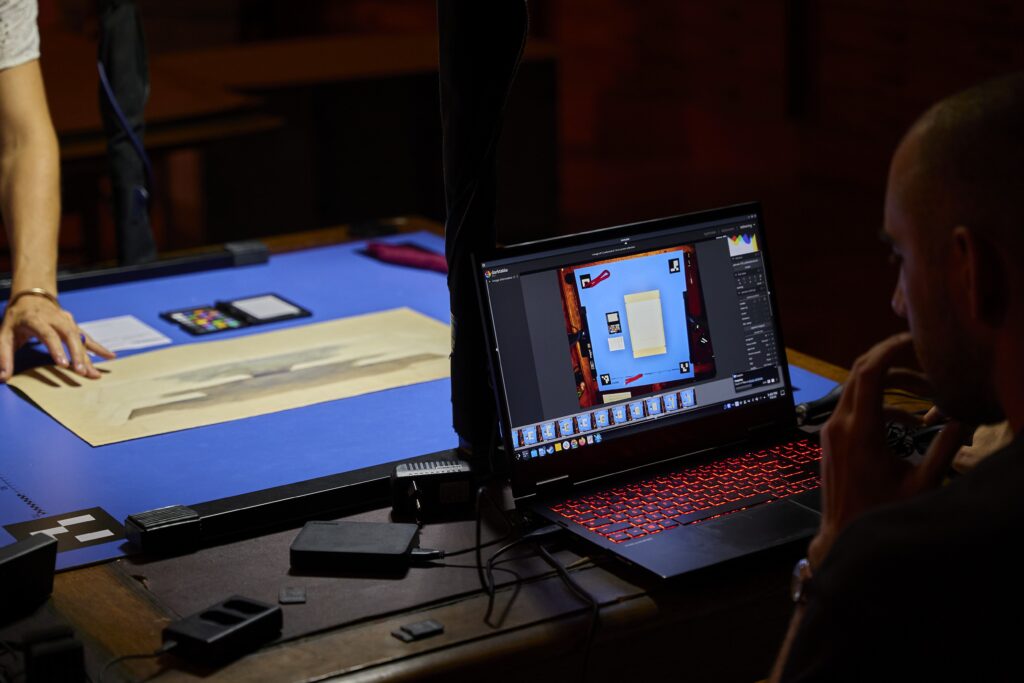
We support cultural institutions working to transform into open, AI-ready repositories driving innovation. We work with libraries, archives, and museums to make their collections AI-ready and more accessible.
Europe’s Open Innovation Dialogue Hub
We aim to establish the MOIC as Strasbourg’s convening platform for trusted AI dialogue and collaboration around open innovation, open science, and AI for community resilience.
Projects & Initiatives
LINGUA
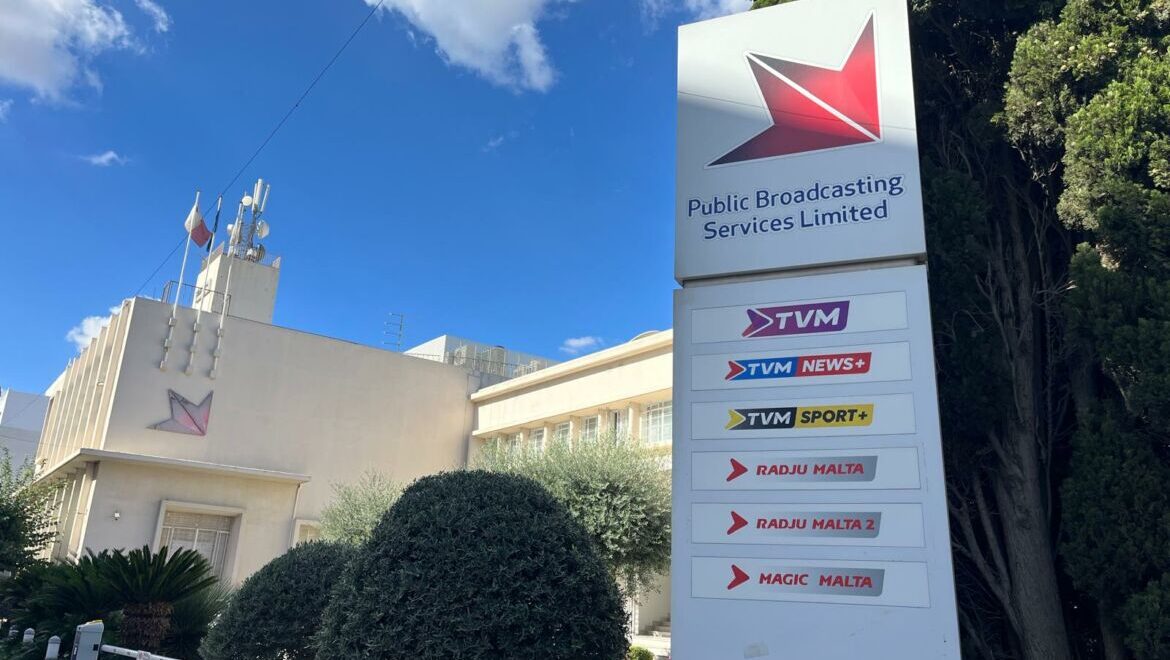
LINGUA is a grant program and peer learning network for Europe’s low-resource language communities, run with the AI for Good Lab. The first cohort supports 11 projects across 16 languages, 10 countries, and communities of more than 65 million speakers, from Luxembourgish and Basque to Maltese, Icelandic, and regional Italian dialects.
MOIC works with cultural institutions to open Europe’s cultural record, including cinematic model opera sets with the Bibliothèque Nationale de France (BnF), metadata associated with approximately 1.5 million artifacts with the Musée des Arts Décoratifs (MAD), and archive collections with the National Library of the Czech Republic.
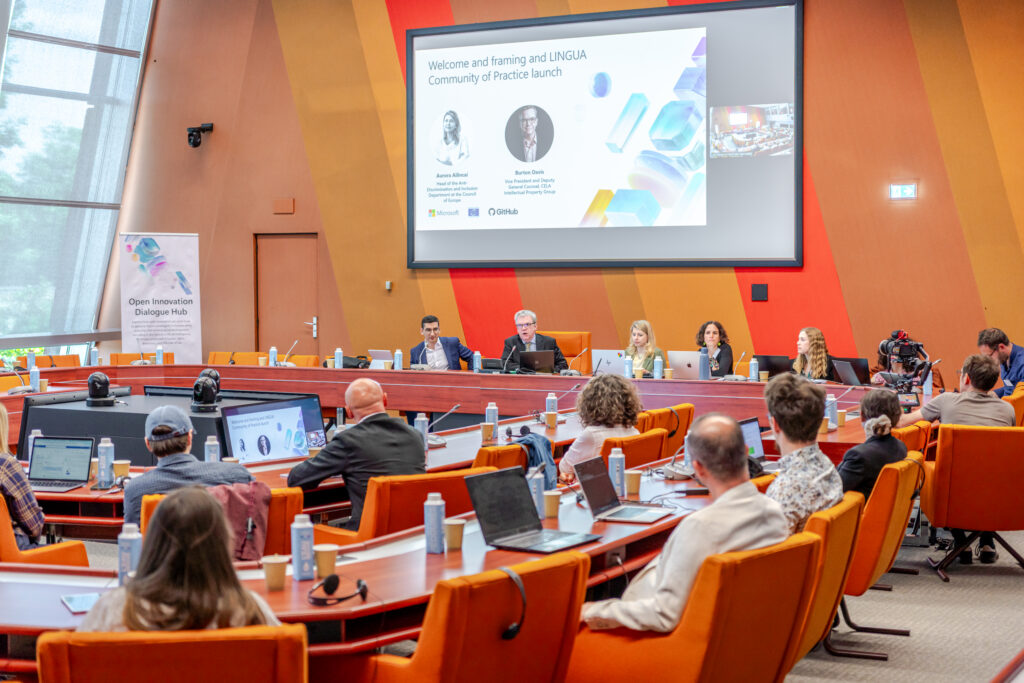
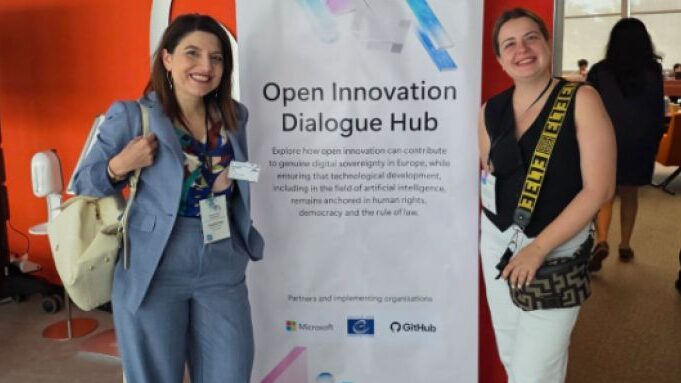
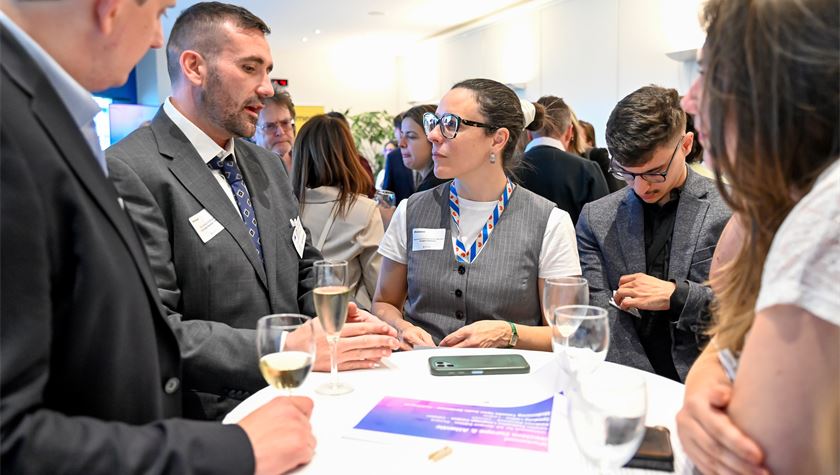
The Open Innovation Dialogue Hub is MOIC’s flagship convening, co-hosted with the Council of Europe and GitHub. The first edition took place on 15 and 16 June 2026, opening with a LINGUA community day and continuing with a public conference on linguistic diversity, cultural heritage, and open innovation. It also launched the LINGUA Community of Practice.
When public institutions, academia, civil society and the private sector work together, AI can become a tool for inclusion.
Alain Berset
Secretary General of the Council of Europe, opening the Open Innovation Dialogue Hub
Partnerships
MOIC works with the institutions, networks, and communities that represent Europe’s languages and culture, and with the organizations building the open technology that underpins them.
The Microsoft Open Innovation Center, based in Strasbourg, supports public-interest AI through open innovation, open science, open technologies, and strategic partnerships. Its outputs are open and non-proprietary.