
Programming languages & software engineering
Building programming languages, tools, and software engineering techniques that make software more reliable, secure, and productive.
Decoding Multisensory Attention from Electroencephalography for Use in a Brain-Computer Interface
Brain-computer interfaces (BCIs) offer a non-verbal and covert way for humans to interact with a machine. They are designed to interpret user’s brain state that can be translated into action or other communication purposes. While…
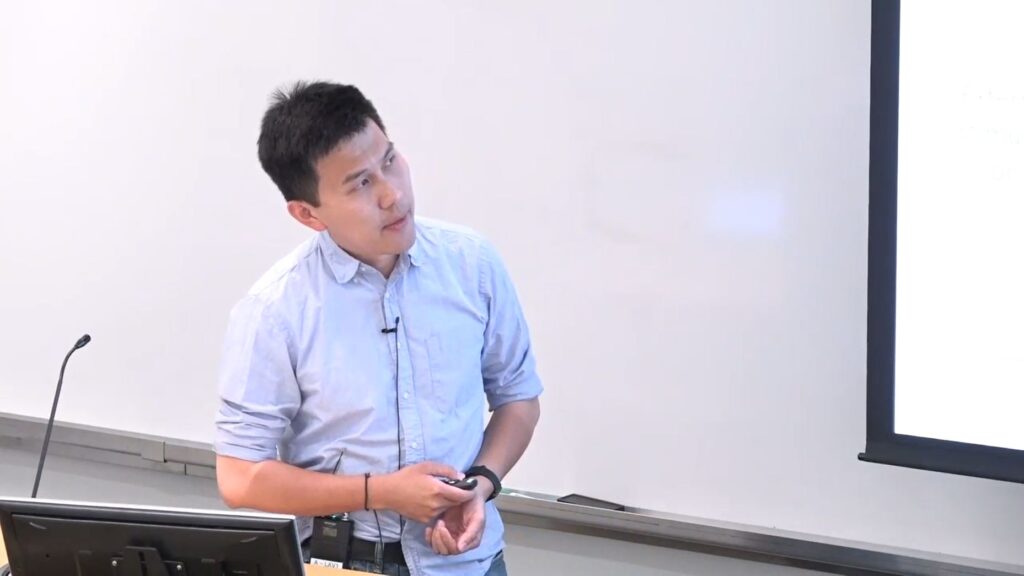
Efficient Robot Skill Learning: Grounded Simulation Learning and Imitation Learning from Observation
For autonomous robots to operate in the open, dynamically changing world, they will need to be able to learn a robust set of skills from relatively little experience. This talk begins by introducing Grounded Simulation…
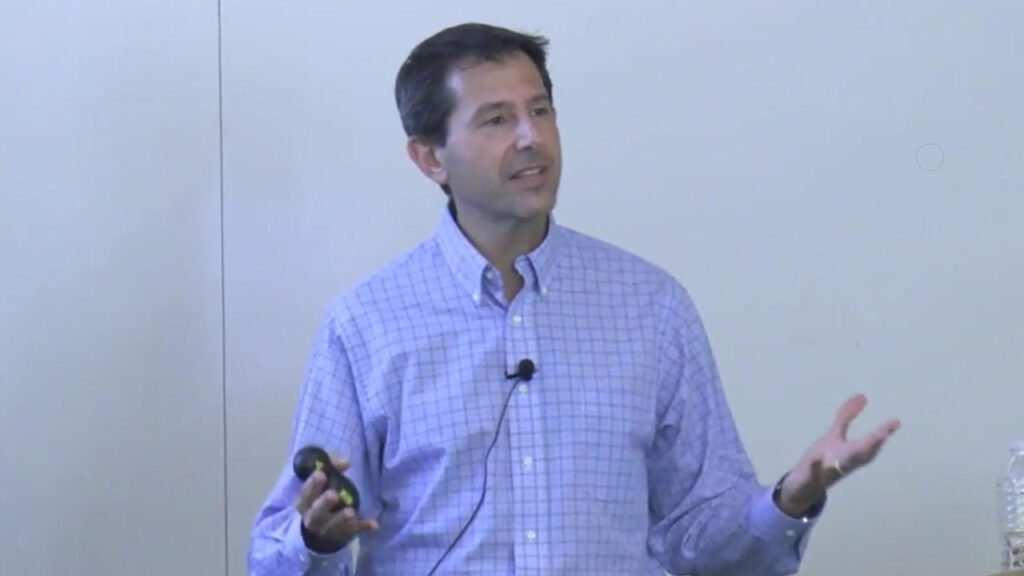
Algorithmic Improvisation for Dependable and Secure Autonomy
Algorithmic Improvisation, also called control improvisation, is a new framework for automatically synthesizing systems with random but controllable behavior. In this talk, I will present the theory of algorithmic improvisation and show how it can…
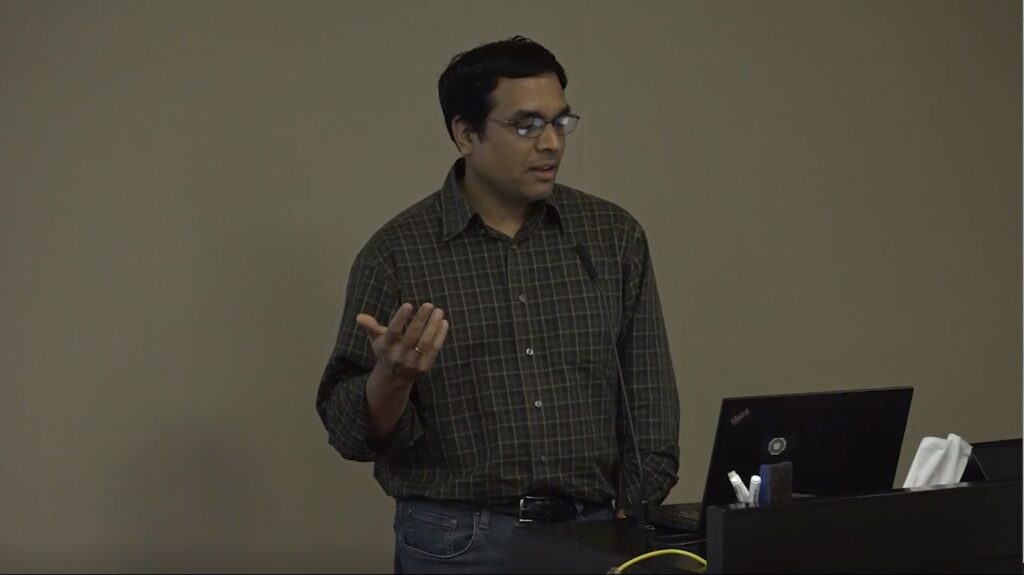
Coverage Guided, Property Based Testing
Property-based random testing, exemplified by frameworks such as Haskell’s QuickCheck, works by testing an executable predicate (a property) on a stream of randomly generated inputs. Property testing works very well in many cases, but not…
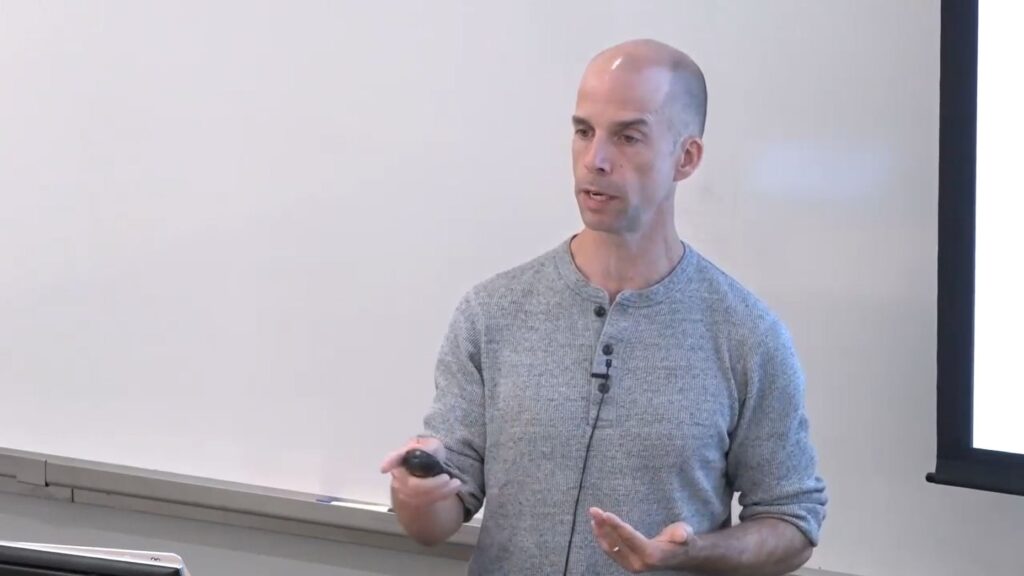
Quantum Computing and Workforce, Curriculum, and Application Development: Overview and access
Transforming Our Future – Quantum Computing and Workforce, Curriculum, and Application Development: An overview and access to hands-on, software-driven curriculum An overview and access to hands-on, software-driven curriculum and, specifically, what makes it pressing and…
Quantum Computing and Workforce, Curriculum, and Application Development: Open Resources
Transforming Our Future – Quantum Computing and Workforce, Curriculum, and Application Development Open source resources: Q# and the Microsoft Quantum Development Kit. Learn about the fastest path to quantum development—the Microsoft Quantum Development Kit and…