


Artificial Intelligence
Building intelligent machines that complement human reasoning and extend what people can do.

Podcast
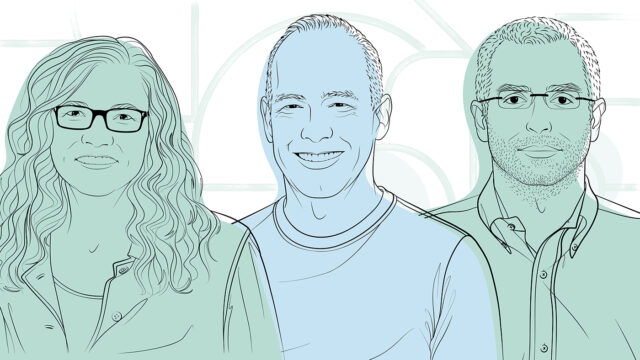
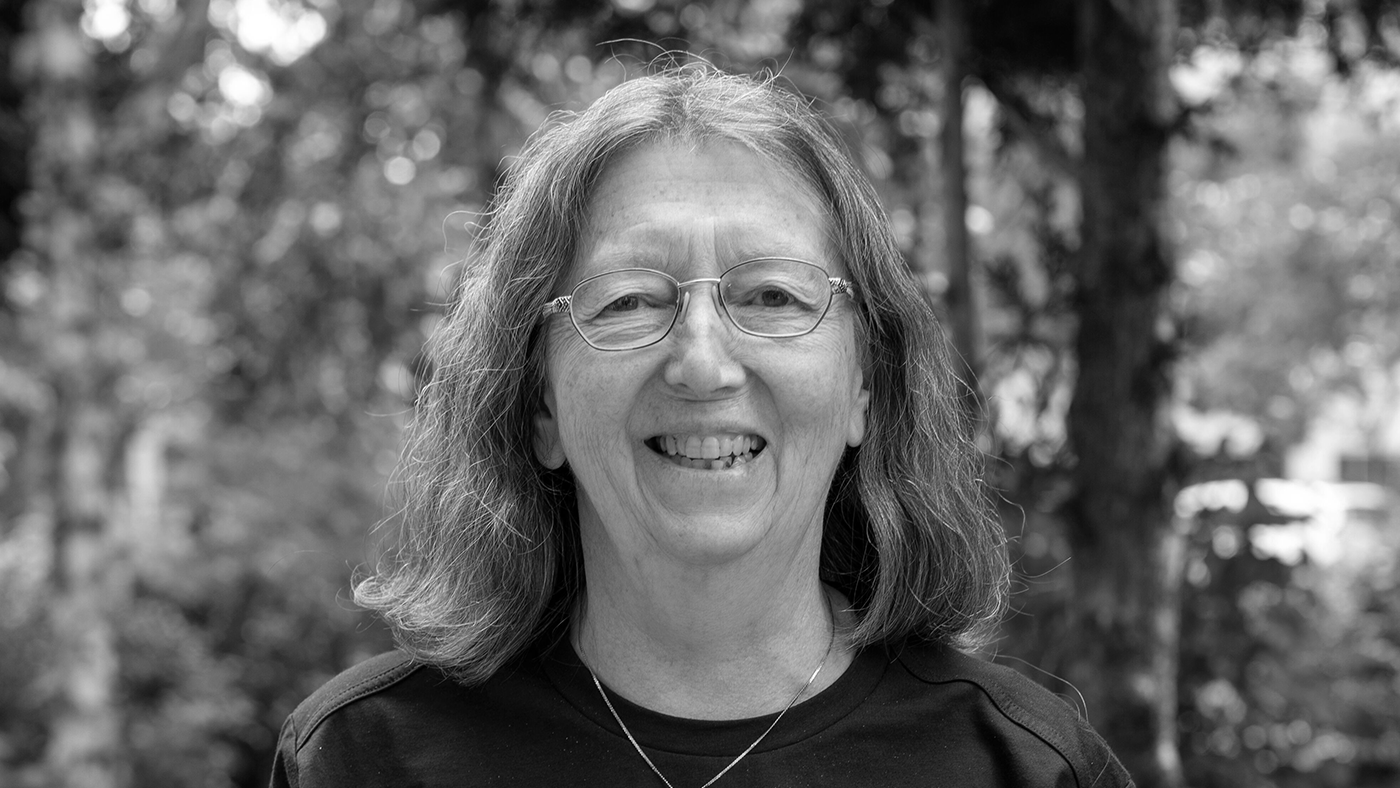
HCI, IR and the search for better search with Dr. Susan Dumais
Dr. Susan Dumais knows you have things to do, and if you need help finding stuff to get them done (and you probably do) then her long and illustrious career in search technologies has been…
Microsoft Research Blog
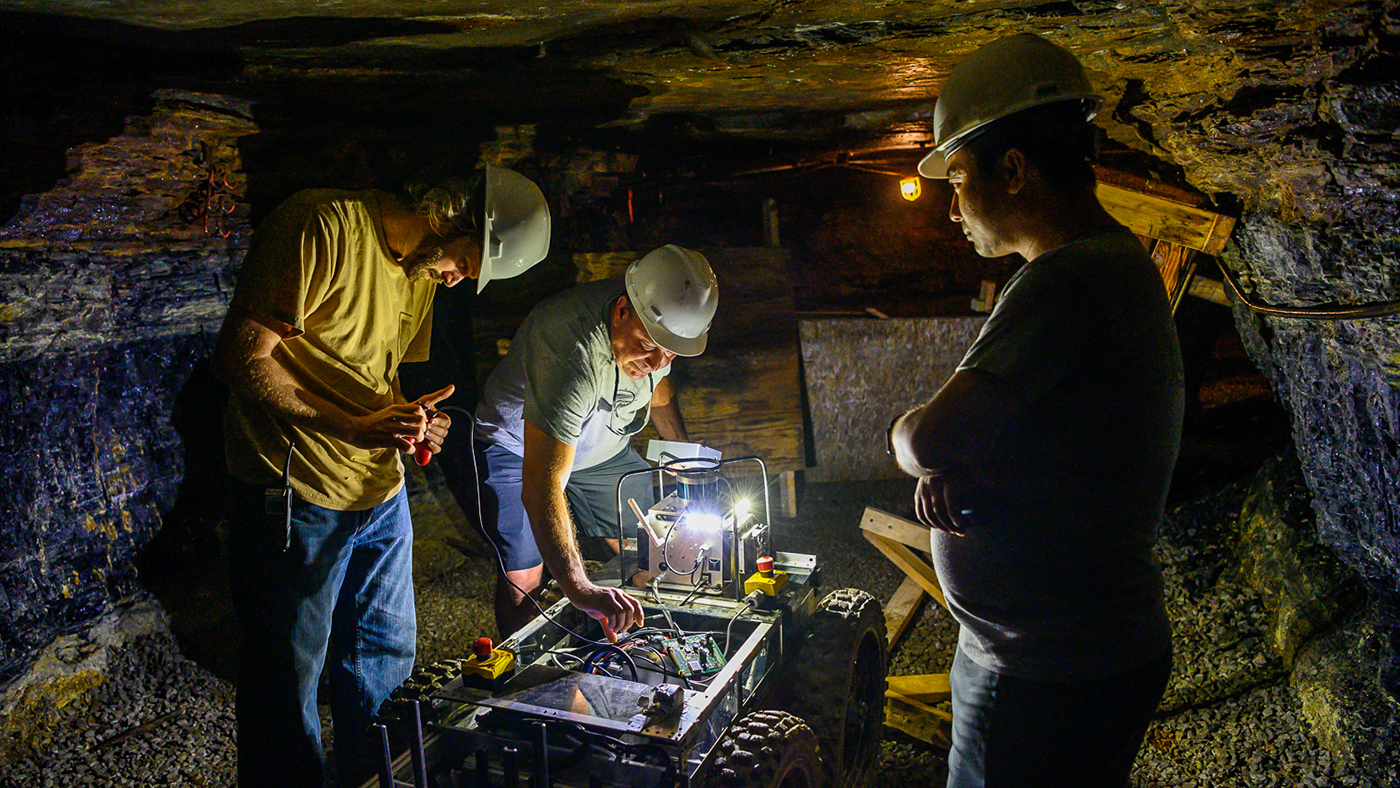
Helping first responders achieve more with autonomous systems and AirSim
With inputs from: Elizabeth Bondi (Harvard University), Bob DeBortoli (Oregon State University), Balinder Malhi (Microsoft) and Jim Piavis (Microsoft) Autonomous systems have the potential to improve safety for people in dangerous jobs, particularly first responders.…
Microsoft Research Blog
Layer Trajectory BLSTM: New evolution enhances speech recognition technology
Speech is a signal that can enable natural interaction between human and machine. In order to facilitate this exchange, machines have to be able to recognize what a human has spoken, both the words and…

Project
Subseasonal Climate Forecasting
Decision-makers rely on weather forecasts to plant crops, manage wildfires, allocate water and energy, and prepare for weather extremes. Today, such forecasts enjoy unprecedented accuracy out to two weeks thanks to steady advances in physics-based…
Video
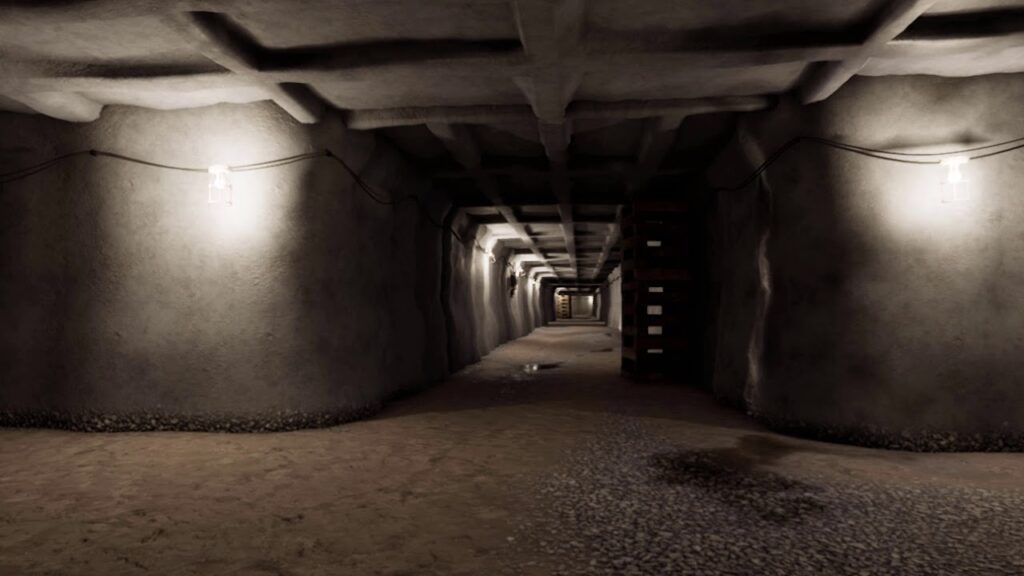
Fly-through in the AirSim simulation Team Explorer created for the DARPA SubT Challenge
Fly-through in the AirSim simulation Team Explorer created for the DARPA SubT Challenge [no audio]
Microsoft Research Blog
Bring your phones to the conference table: creating ad hoc microphone arrays from personal devices
Recent advances in machine learning and signal processing, as well as the availability of massive computing power, have resulted in dramatic and steady improvement in speech recognition accuracy. Voice interfaces to digital devices have become…
Video
A Short Introduction to DIMACS & DIMACS and MSR-NYC
A Short Introduction to DIMACS, Fred Roberts, DIMACS Fred Roberts gives an overview of the DIMACS center founded in 1989, after a nationwide competition, as an NSF Science and Technology Center (STC) with the theme…
