
Artificial Intelligence
Building intelligent machines that complement human reasoning and extend what people can do.



동영상
Re-engineering Brain-Machine Interfaces to Optimize Control and Learning
Direct interfaces with the brain provide exciting new ways to restore and repair neurological function. For instance, motor Brain-Machine Interfaces (BMIs) can bypass a paralyzed person’s injury by repurpose intact portions of their brain to…

Podcast
Holograms, spatial anchors and the future of computer vision with Dr. Marc Pollefeys
Episode 71, April 10, 2019 – On today’s podcast, Dr. Pollefeys brings us up to speed on the latest in computer vision research, including his innovative work with Azure Spatial Anchors, tells us how devices…

동영상
How does Batch Normalization Help Optimization?
Batch normalization (BatchNorm) is a widely adopted technique that enables faster and more stable training of deep neural networks. However, despite its pervasiveness, the exact reasons for BatchNorm’s effectiveness are still poorly understood. In this…
Microsoft Research 블로그
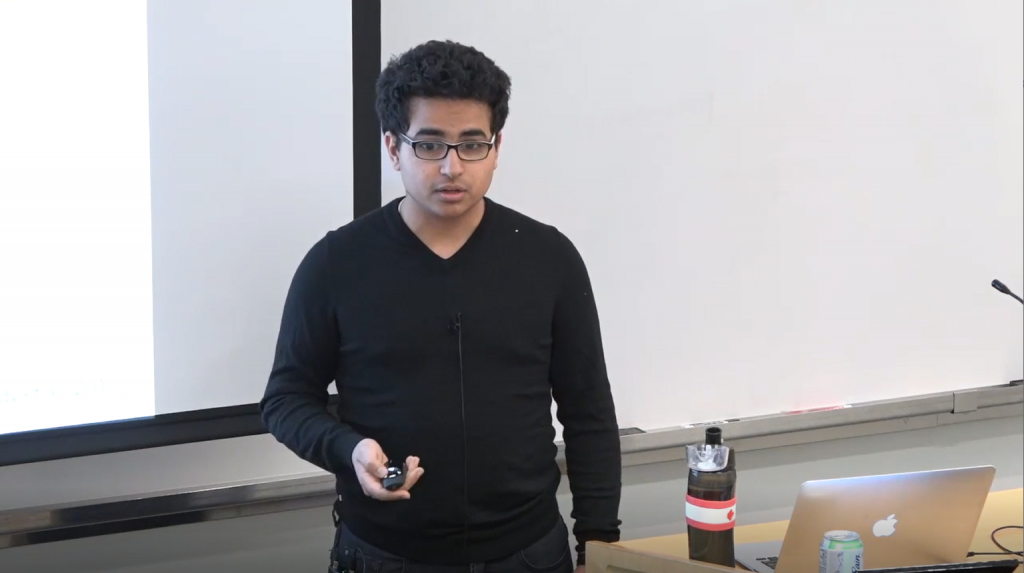
Rapidly enabling autonomy at scale with simulation
Autonomous Systems have attracted a lot of attention as they promise to improve efficiency, reduce cost and most importantly take on tasks that are too dangerous for humans. However, building a real-world autonomous system that…

동영상
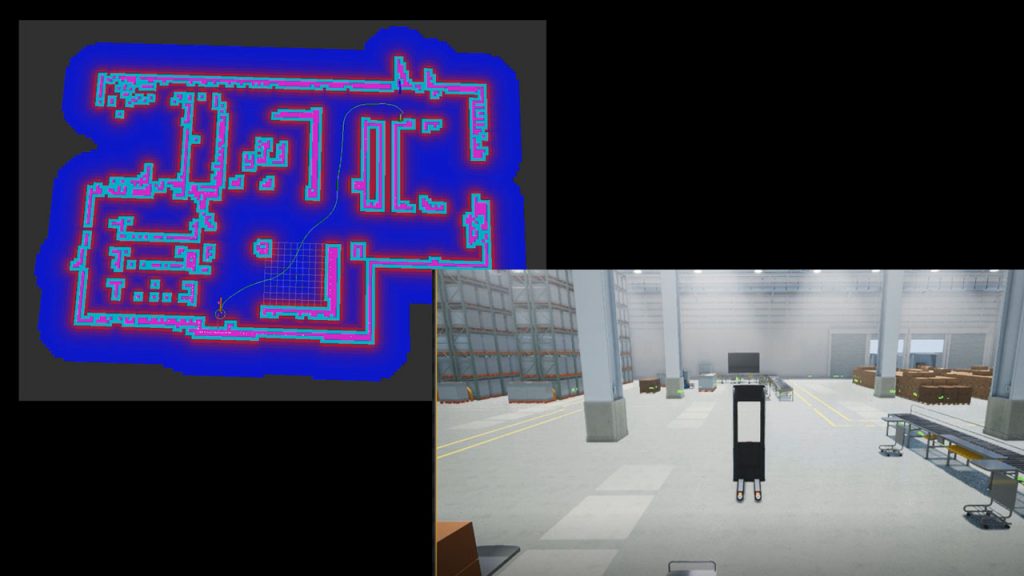
Rapidly Enabling Autonomy in Warehouses with High-Fidelity Simulations
High-Fidelity Simulations in AirSim enables custom solutions for automation. Complex scenarios often can be broken down into a modular solution where each individual component then can be coded/trained in simulation. Such decomposition allows reuse of…
동영상
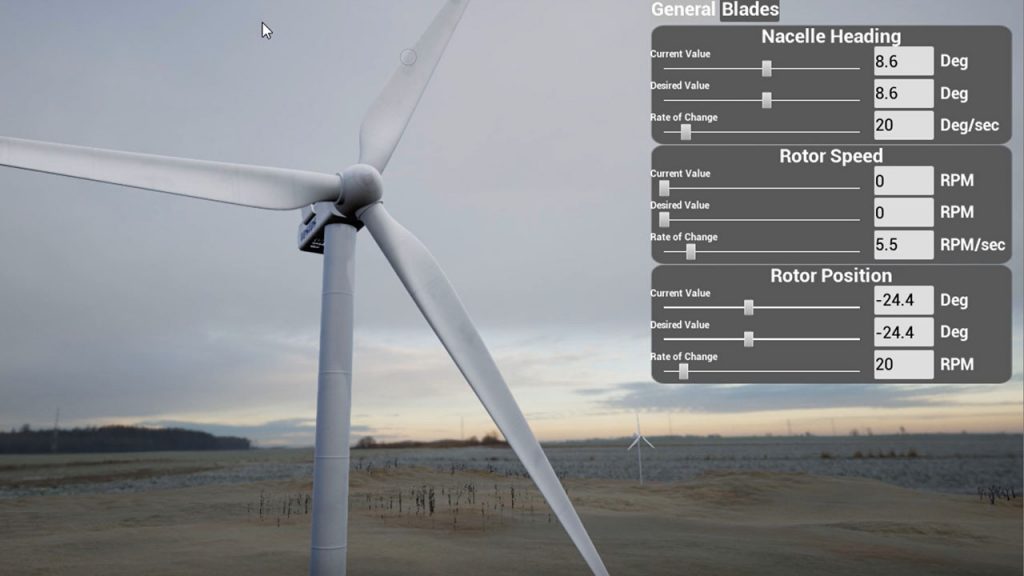
High-Fidelity Simulations to enable Automated Wind Turbine Inspections
High-Fidelity Simulations in AirSim allows detailed modeling of various characteristics of wind-turbines. These simulations when spawned programmatically allows several unique instances, which in turn can be used to train, test, validate and verify various components…