Each year, hundreds of K-12 schools in the U.S. alone experience cyberattacks, including 408 schools that publicly disclosed them in 2020, up 18% from the previous year, according to the K-12 Cybersecurity Resource Center.
As the demands of teaching and learning continue to shift, educators’ technology solutions need to adapt to accommodate new hybrid learning circumstances.
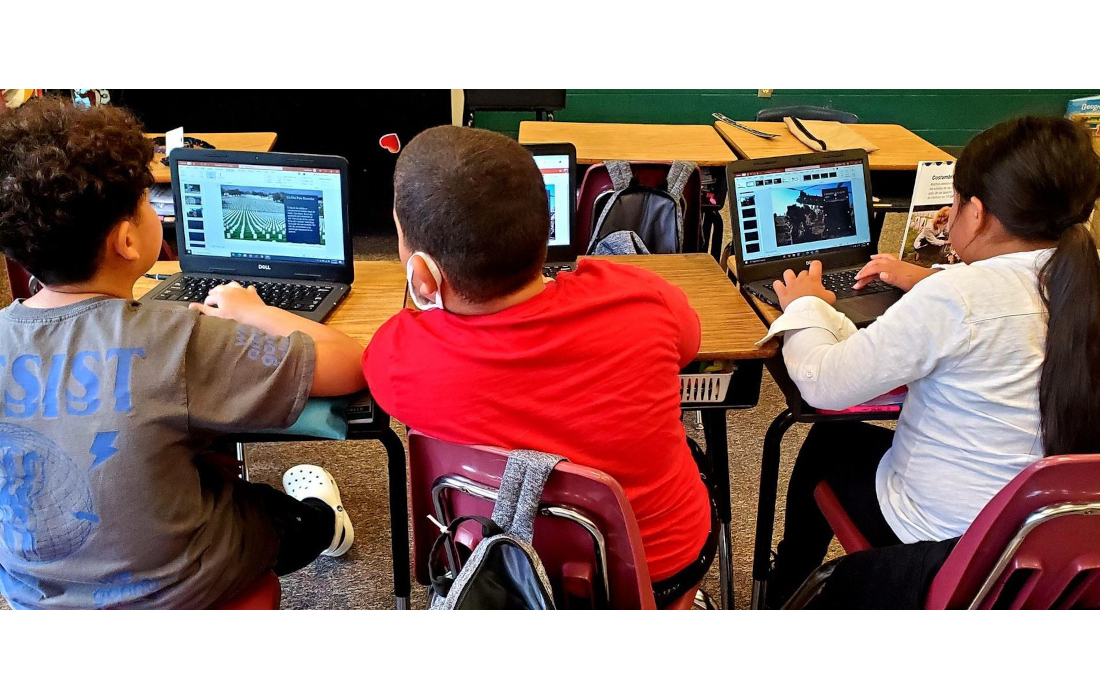
Millions of students have limited access to the internet at home, leaving them struggling to access interactive online lessons and forcing them to find offline workarounds on devices lacking storage for video and other resources.
With the world changing faster than ever, the connections between students, educators, and other learning communities that support them have never been more essential.
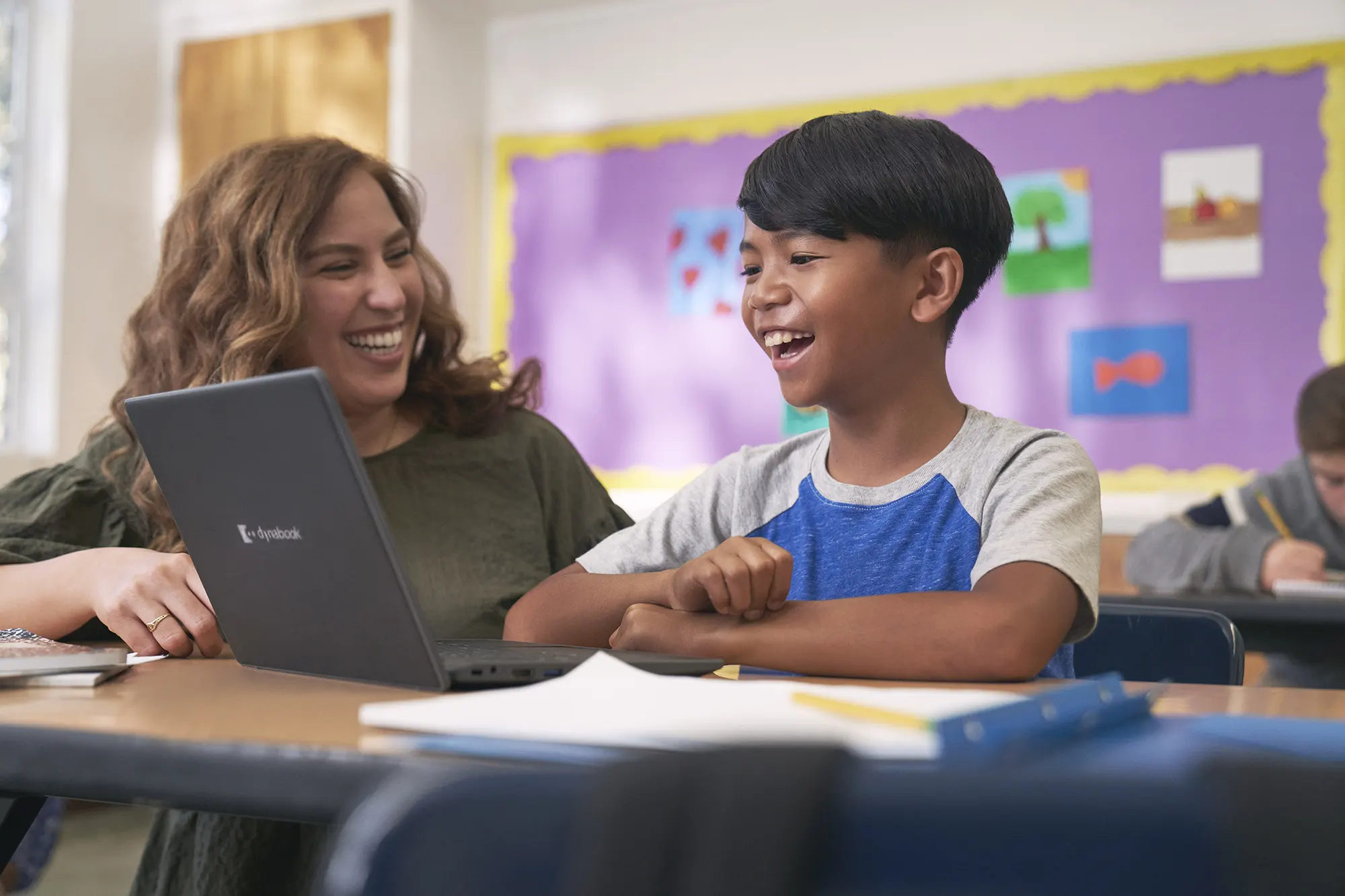
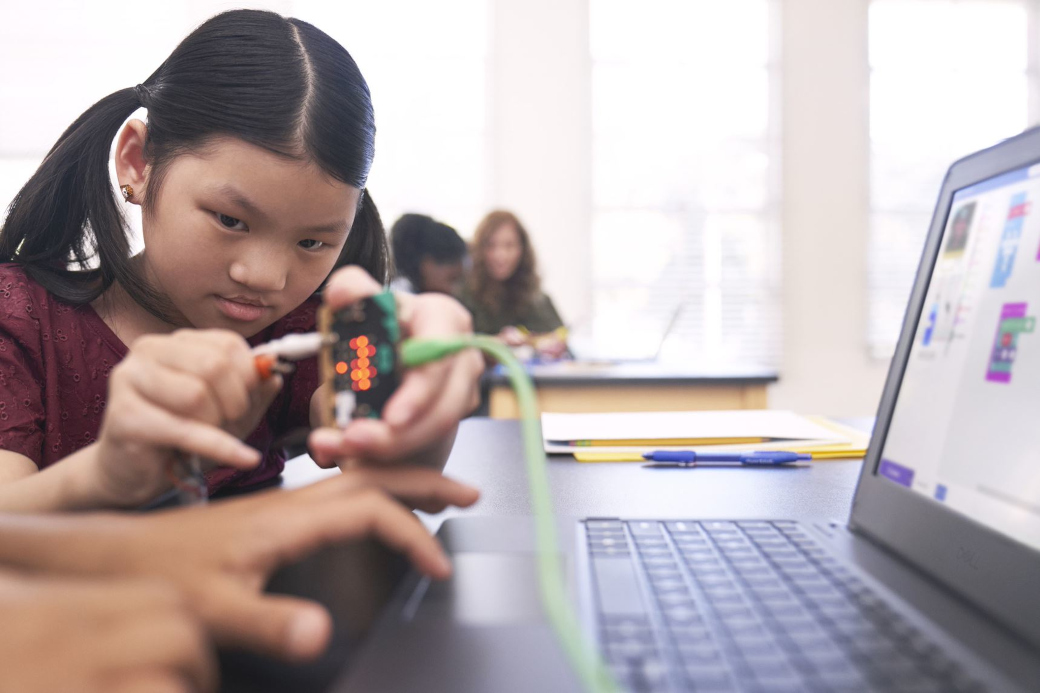
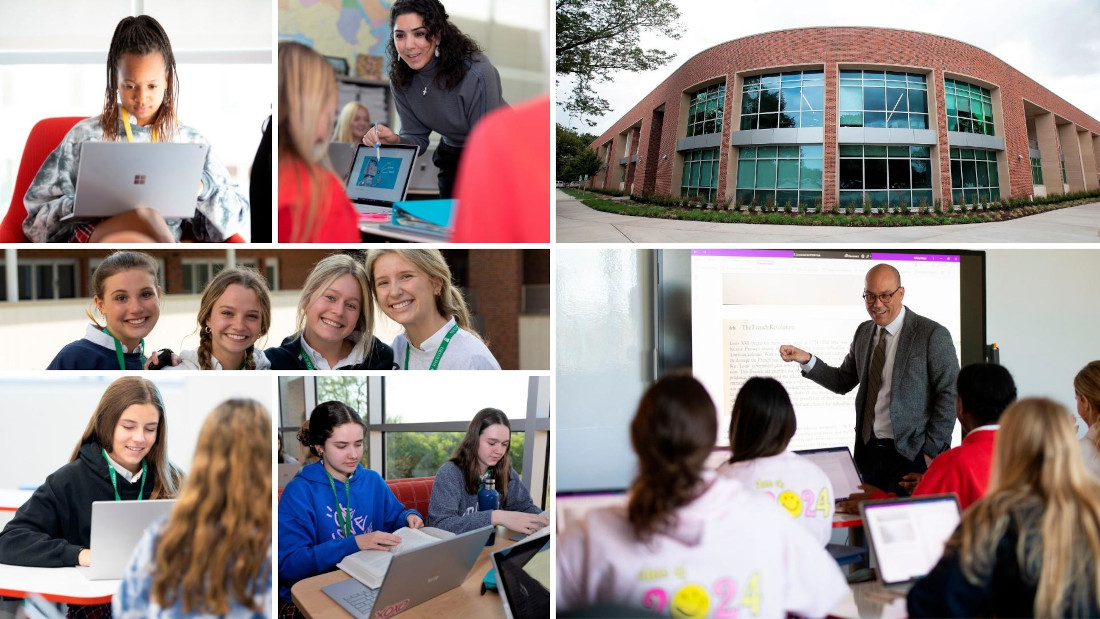
Schools are increasingly using education technology to push the boundaries of the traditional classroom, in turn creating and enhancing immersive, collaborative experiences that best support anytime, anywhere student learning.
Thanks to the evolution of education technology, more students with learning difficulties are finding accommodations that help them thrive in the classroom and in life.