On December 3rd, we celebrate International Day of Persons with Disabilities to acknowledge the more than 1 billion people in the world with disabilities and their roles as vibrant and valuable members of society.
Coming out of the pandemic, education systems have faced huge challenges, including a shortage of skilled teachers, the rising cost of education, a cumulative learning loss, and increased awareness of the inequality of access to learning.
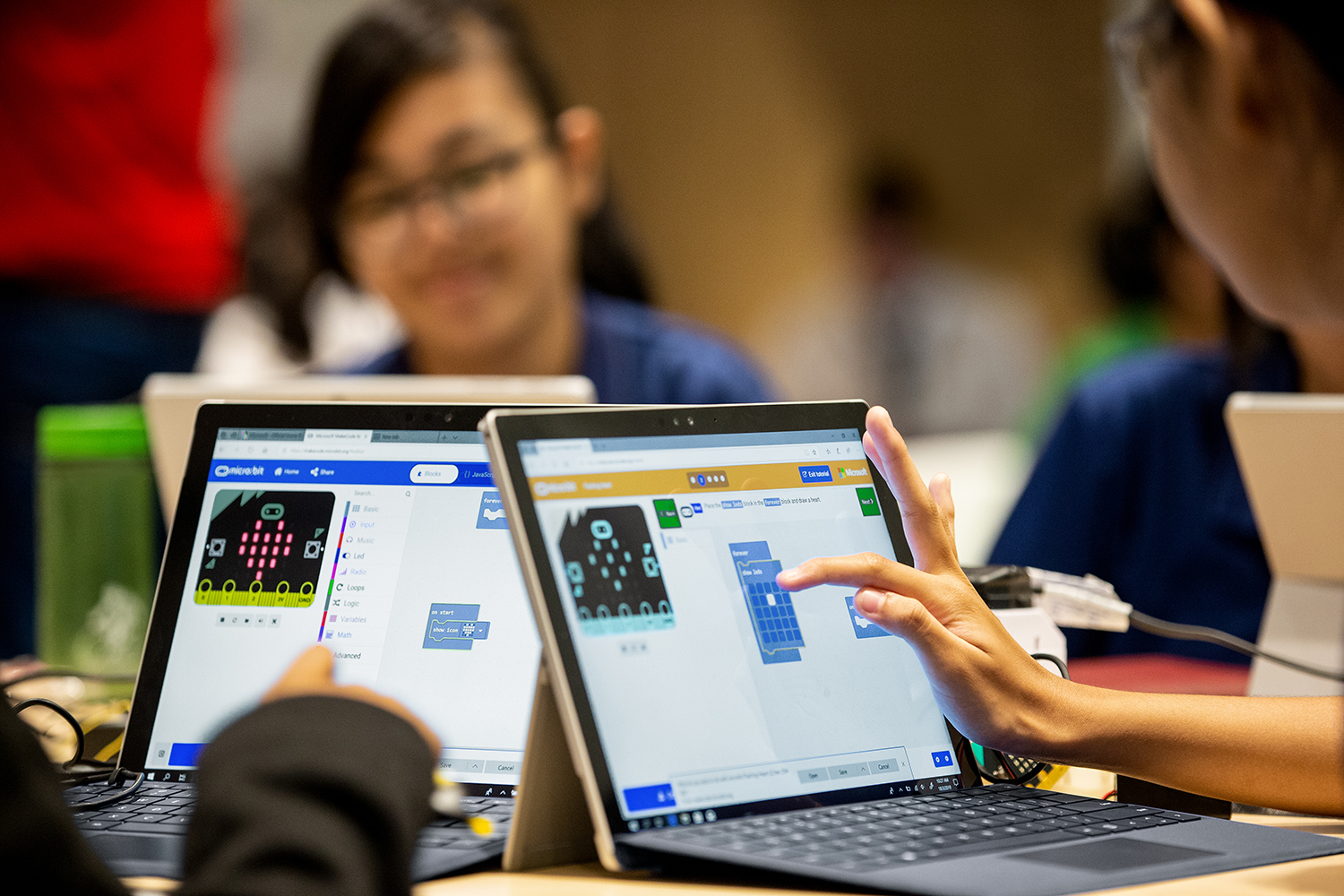
Educators often search for professional learning experiences that explore how STEM concepts and tools can be embedded into the classroom in meaningful, intentional, and academically engaging ways.
According to the 2022 National Assessment of Educational Progress reading and math exams, 4th and 8th graders fell behind in reading and had the largest ever decline in math: “If this is not a wake-up call for us to double down our efforts and improve education, even before it was – before the pandemic, then I don’t know what will,” commented US Secretary of Education Miguel Cardona on the results.
As part of Microsoft’s mission to empower every person and every organization on the planet to achieve more, our work in computer science education is critical to ensuring that all students have the opportunity to learn foundational computing skills.
November 8th is National STEM Day and Microsoft is excited to help you and your students celebrate! National STEM Day was founded in 2015 to encourage students to pursue careers in the fast-growing fields of science, technology, engineering, and mathematics (STEM).
Math teachers, what if there was a way to help students who say “I’m not a math person” or “I’m just not good at math”? When a student lacks math confidence, every challenge along the way simply confirms their self-doubt.
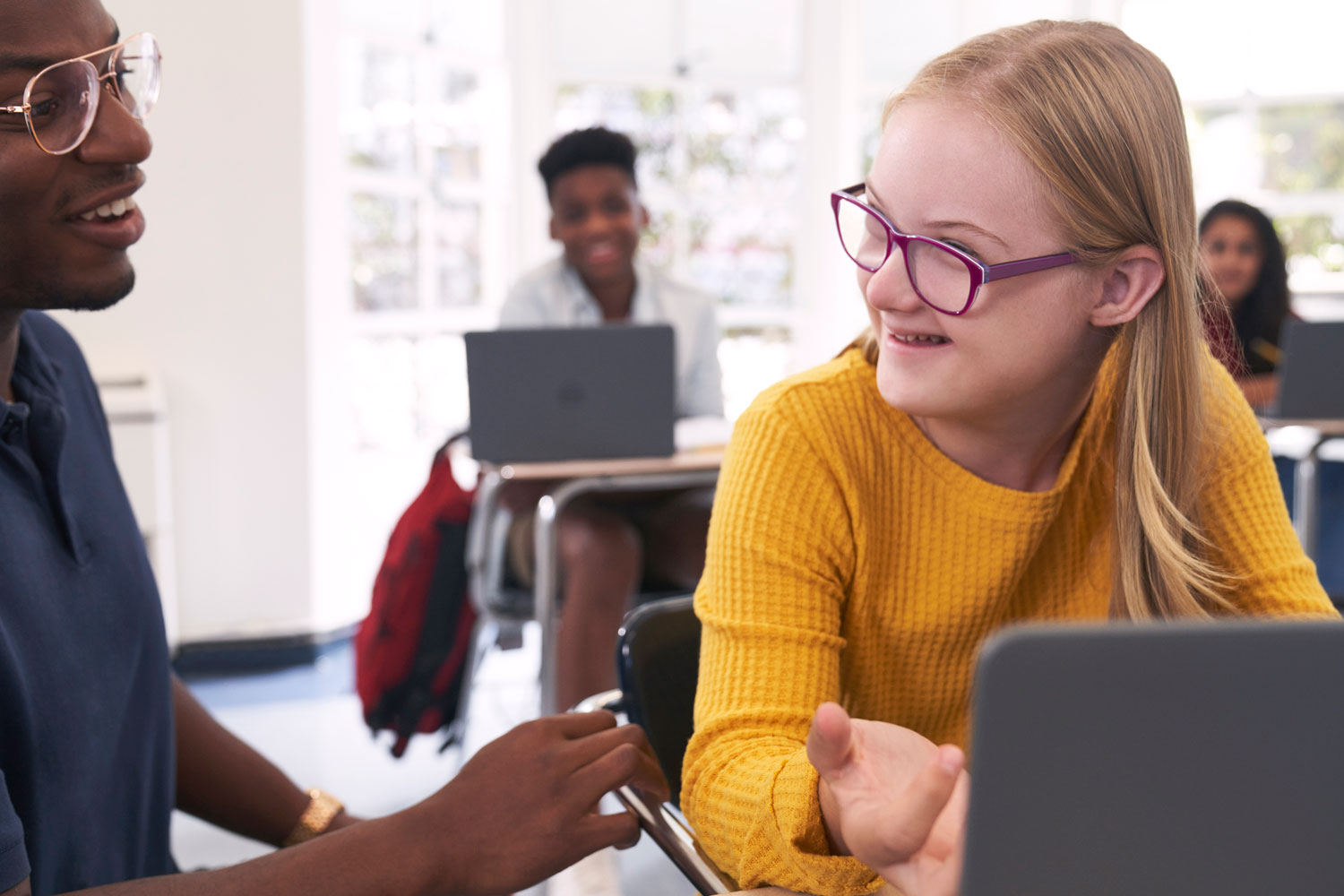
Classrooms around the world contain students with very diverse abilities and needs, and research shows that this diversity has increased in recent years.
An inclusive classroom is made up of many different learners with unique needs and abilities, that want to feel they belong regardless of their identity, learning preferences, or skills.